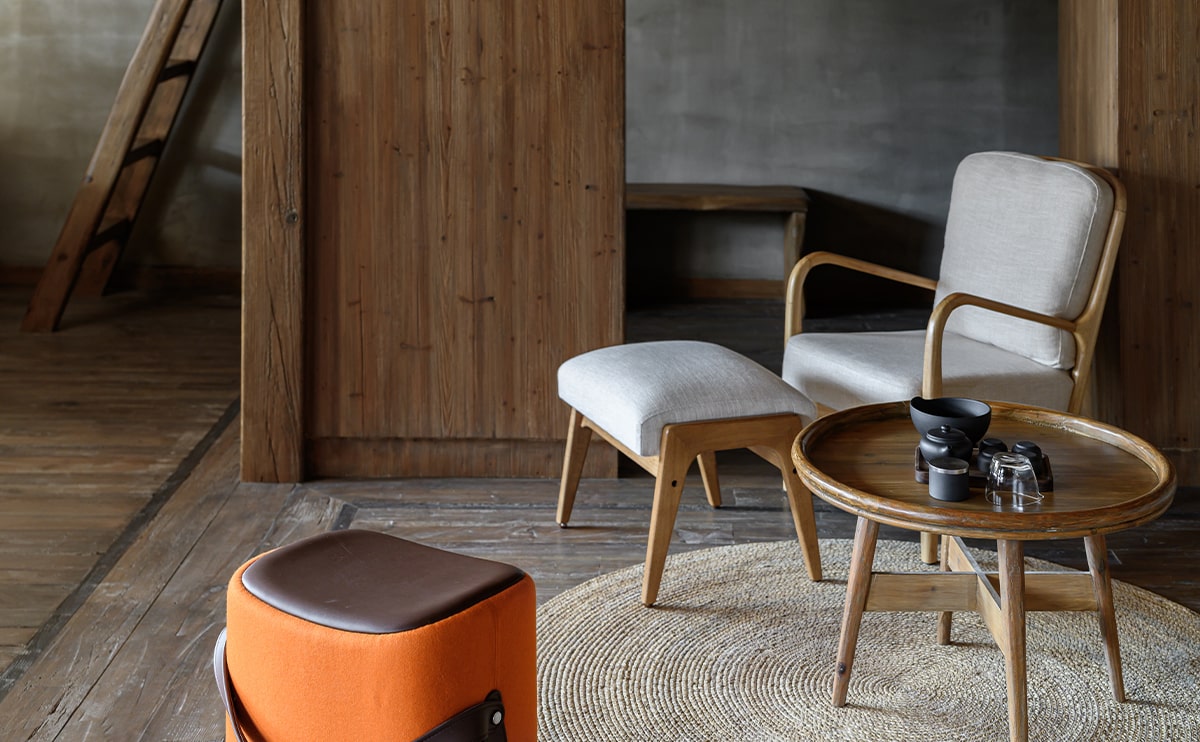


Designing a hybrid work office today means balancing flexibility, comfort, and brand identity. With remote‑first policies, companies need spaces that support both in‑person collaboration and solo focus. The hybrid work office design approach leverages modular furniture, acoustic solutions, and smart zoning to keep productivity high no matter where employees are seated. Stylo Furniture offers a curated collection of chairs, tables, sofas, and storage pieces that blend modern aesthetics with ergonomic performance, making it easier to create a workspace that feels inviting and functional. This guide walks you through essential steps—from layout planning to lighting choices—so you can transform any office into a hybrid‑ready hub.
Understanding the Core Principles of Hybrid Work Office Design
Before selecting furniture, grasp the three pillars that define a successful hybrid environment: flexibility, ergonomics, and technology integration. Flexibility means the space can be reconfigured quickly for team meetings, hot‑desking, or quiet work. Ergonomics ensures every seat, desk, and lounge area supports healthy posture, reducing fatigue. Technology integration involves embedding power, data ports, and wireless charging into furniture to keep devices charged and connected.
Stylo’s modular systems excel in each area. Adjustable‑height desks switch from sitting to standing in seconds, while stackable chairs and lightweight tables allow rapid layout changes. Prioritizing these principles creates a foundation that accommodates fluctuating team sizes and diverse work styles.
Open layouts foster collaboration, but without proper acoustic treatment they can become noisy. Soft‑edge sofas and fabric‑upholstered chairs from Stylo add visual warmth and help absorb sound, creating pockets of focus without sacrificing openness.
Finally, align design with company culture. A tech startup may favor sleek “Curve” chairs with tapered lines, while a traditional firm might choose classic leather armchairs paired with solid wood tables. The right furniture supports function and reinforces identity.
Planning Zones: Collaboration, Focus, and Social Spaces
Effective hybrid design starts with zoning. Divide the floor plan into collaborative zones for team work, focus zones for deep tasks, and social zones for informal interaction. Each zone requires distinct furniture solutions and layout strategies.
Collaborative Zones
Encourage brainstorming and structured meetings with flexible tables like Stylo’s “Aruda” series, which can link together for larger conferences or separate for breakout groups. Pair them with lightweight stacking chairs that move easily. Include writable surfaces—whiteboard panels or glass boards—to capture ideas on the fly.
Acoustic panels on walls and ceiling tiles control noise, while mobile dividers create temporary privacy. Integrated power strips and USB hubs in table legs keep laptops and tablets charged during long sessions.
Focus Zones
Quiet work needs ergonomic seating and individual desks. Stylo’s “Soft Edge” chairs provide lumbar support and breathable upholstery, ideal for extended focus periods. Pair them with height‑adjustable desks that include cable‑management trays to keep cords tidy. A small personal storage unit—like Stylo’s “Belt” sideboard—gives employees a place for documents without cluttering the desk.
Acoustic pods or phone booths furnish a self‑contained workspace that minimizes distractions.
Social Zones
Hybrid teams thrive when they have informal areas to unwind. A comfortable sofa set, such as Stylo’s “Navona” sectional, invites casual conversations. Complement the seating with low coffee tables and a few standing‑height stools for quick chats. Adding a coffee station or kitchenette nearby encourages natural break‑time interactions.
Plants, artwork, and soft lighting enhance the welcoming atmosphere. Floor lamps with adjustable heads provide warm illumination without overwhelming the space.
Selecting Ergonomic Furniture from Stylo for Hybrid Work
Ergonomics is non‑negotiable. Poor posture leads to fatigue, directly impacting productivity. Stylo’s product line includes several ergonomically designed pieces that cater to various work styles.
Chairs
The “Curve” chair features a contoured seat and adjustable lumbar support, allowing users to customize the fit. Its breathable mesh back reduces heat buildup during long meetings. For a plush option, the “Soft Edge” chair offers padded cushions and a synchro‑tilt mechanism that moves the seat and back together, promoting natural movement.
Both models include height‑adjustable arms and a swivel base, facilitating easy transitions between sitting and standing. Pair any chair with a footrest for added comfort during prolonged desk work.
Desks
Stylo’s “Giro LR” height‑adjustable desk combines a sturdy steel frame with a smooth electric lift system. Users can switch between sitting and standing with a single button press, encouraging movement throughout the day. Integrated cable trays and built‑in power outlets keep workstations tidy.
For shared spaces, consider the “Aruda” table, which offers a generous surface area and built‑in power modules, perfect for collaborative projects that require multiple devices.
Storage Solutions
Clutter erodes focus. Stylo’s modular storage units—like the “Belt” sideboard—provide flexible shelving that can be reconfigured as needs change. Lockable cabinets secure sensitive documents, while open shelves keep frequently used items within arm’s reach.
A rolling cart with drawers serves as a mobile filing system, allowing teams to transport paperwork between zones without leaving a mess behind.
Incorporating Technology Seamlessly into the Workspace
Hybrid environments demand robust tech infrastructure. Furniture should act as a conduit for power, data, and connectivity rather than an obstacle.
Integrated Power and Data
Stylo’s tables often come with built‑in power strips, USB ports, and wireless charging pads. When selecting a conference table, opt for models that include these features to keep laptops, tablets, and phones powered throughout meetings. For individual desks, choose units with cable‑management grommets to hide cords and prevent tripping hazards.
Running Ethernet cables through desk frames ensures a stable internet connection, essential for video conferences. If wireless connectivity is preferred, consider furniture with built‑in Wi‑Fi extenders or mesh nodes.
Acoustic Technology
Sound‑masking systems can be integrated into ceiling panels or wall units. Pair these with Stylo’s soft‑upholstered sofas to further dampen ambient noise. Acoustic pods equipped with directional microphones reduce echo and background chatter during calls.
Smart Furniture Features
Some modern desks include sensors that track usage patterns, prompting users to stand after a set period. While Stylo’s current catalog does not list sensor‑enabled desks, pairing their height‑adjustable models with third‑party accessories can achieve similar outcomes.
Choosing the Right Aesthetics: Color, Material, and Brand Consistency
Design conveys brand values. A cohesive aesthetic creates a professional environment that employees feel proud to occupy.
Color Palette
Neutral tones—grays, beiges, and soft whites—provide a calm backdrop that supports focus. Accent colors can be introduced through furniture upholstery or décor items. A bold teal sofa can become a focal point in the social zone while maintaining a muted scheme in work zones.
Stylo’s “French Bistre” finish on chairs adds a warm, earthy hue that pairs well with natural wood tables, creating a balanced look that feels both modern and inviting.
Material Selection
Mixing materials adds depth. Combine metal frames with wood tops for a contemporary industrial vibe. Upholstered chairs with fabric or leather finishes offer comfort and durability. For high‑traffic areas, opt for stain‑resistant fabrics.
Eco‑friendly options, such as recycled wood or sustainably sourced fabrics, align with corporate sustainability goals and can be highlighted in marketing materials.
Brand Consistency
Use furniture that reflects your brand’s personality. A tech startup may favor sleek, minimalistic pieces, while a creative agency might choose bold shapes and vibrant colors. Consistency extends to signage, wall graphics, and even conference‑room tables—choose designs that echo your logo’s line weight and color.
Optimizing Layout for Flow and Accessibility
A well‑planned layout reduces bottlenecks and improves movement throughout the office. Start by mapping high‑traffic routes—entrances, restrooms, and kitchen areas—and ensure they remain clear.
Circulation Paths
Maintain at least 1.2 meters of clear width in main walkways. Place collaborative tables away from these paths to avoid congestion. Use low‑profile furniture, like Stylo’s “Curve” chairs, to keep sightlines open.
Consider the “traffic flow triangle” concept: position the entrance, main workstations, and meeting area at three points of an imagined triangle to promote natural movement and reduce back‑tracking.
Accessibility Standards
All workstations should comply with local accessibility regulations. Adjustable‑height desks accommodate users of varying stature, while wide aisles allow wheelchair navigation. Include lever‑style door handles and motion‑sensor lighting to enhance usability for all employees.
Flexibility in Reconfiguration
Use modular furniture that can be rearranged without tools. Stylo’s stackable chairs and lightweight tables can be stored in a nearby closet when not in use, allowing the same space to serve multiple functions throughout the day.
Implement a booking system for hot‑desking zones, ensuring employees know which desks are available and reducing overcrowding.
Sustainable Practices in Hybrid Office Design
Environmental responsibility is increasingly important to employees and clients alike. Incorporating sustainable choices reduces your carbon footprint and enhances corporate reputation.
Eco‑Friendly Furniture
Choose pieces made from reclaimed wood, recycled metal, or low‑VOC finishes. Stylo offers collections that prioritize sustainable sourcing, such as solid‑wood tables with FSC certification.
Modular designs extend product life—when a component wears out, replace just that part rather than discarding the entire piece.
Energy‑Efficient Lighting
LED lighting consumes far less energy than traditional bulbs and produces less heat, improving comfort. Pair LED fixtures with daylight sensors that dim lights when natural sunlight is abundant.
Task lighting at individual desks—such as adjustable LED desk lamps—provides focused illumination without lighting the entire room, further conserving energy.
Waste Reduction
Implement a recycling program with clearly labeled bins throughout the office. Use furniture packaging that is recyclable or biodegradable. Encourage a paper‑less culture by providing digital collaboration tools and shared cloud storage.
Maintaining and Evolving Your Hybrid Workspace
Design is not a one‑time effort; it evolves as your team’s needs change. Regularly assess the effectiveness of your hybrid office and make adjustments accordingly.
Feedback Loops
Conduct quarterly surveys asking employees about comfort, noise levels, and furniture usability. Use the data to identify problem areas—perhaps a particular desk model is causing back pain or a meeting room is too small for the team’s size.
Encourage a suggestion box—digital or physical—where staff can propose improvements, such as adding more power outlets or swapping a sofa for a more ergonomic lounge chair.
Maintenance Plans
Schedule routine cleaning and inspection of furniture. Replace worn‑out cushions, tighten loose screws, and re‑upholster chairs as needed to extend lifespan. Stylo offers after‑sales support and spare parts, making it easier to keep pieces in top condition.
Future‑Proofing
Anticipate technological advancements by choosing furniture with adaptable infrastructure. Desks with extra conduit space can accommodate future wiring needs. Keep an inventory of modular components that can be added as the team grows.
When planning expansions, maintain the same design language—color palette, material choices, and ergonomic standards—to preserve visual continuity across the office.
FAQ
- What is the best furniture for a hybrid work office? Look for modular, ergonomic pieces that support both collaboration and focus. Stylo’s height‑adjustable desks, “Curve” chairs, and versatile sofas are excellent choices.
- How can I improve acoustics in an open hybrid office? Use soft‑upholstered furniture, acoustic panels, and mobile dividers. Adding fabric sofas and carpeted areas also helps absorb sound.
- Is it necessary to have standing desks in a hybrid setup? While not mandatory, standing desks promote movement and reduce sedentary fatigue, making them a valuable addition to any hybrid workspace.
- How do I keep the office sustainable? Choose furniture made from reclaimed or FSC‑certified materials, use LED lighting, and implement recycling stations. Stylo offers several eco‑friendly product lines.
- What budget should I allocate for a hybrid office redesign? Costs vary, but focusing on core ergonomic pieces first—chairs, desks, and lighting—provides the biggest ROI. Prioritize high‑traffic zones and expand gradually.
Designing a productive hybrid‑work office is a strategic blend of ergonomics, technology, aesthetics, and sustainability. By leveraging Stylo Furniture’s versatile collections, you can create a space that adapts to changing work patterns while reinforcing your brand’s identity. Start with clear zoning, choose ergonomic pieces, embed technology thoughtfully, and maintain a feedback‑driven approach. The result will be an office that meets today’s hybrid demands and evolves with your organization’s future needs.