

When it comes to creating a workspace that reflects your company’s personality, the choice between modern office aesthetics and classic design can feel like a pivotal branding decision. Modern office aesthetics emphasize clean lines, minimalism, and flexible layouts, while classic interiors rely on timeless materials, rich detailing, and a sense of permanence. Understanding the strengths of each approach—and how they align with your brand values—helps you build an environment that not only looks great but also supports employee performance and client perception.
Understanding Modern Office Aesthetics
Modern office aesthetics are rooted in the principles of contemporary design: simplicity, functionality, and adaptability. Open floor plans, glass partitions, and modular furniture dominate the scene, allowing teams to reconfigure spaces quickly for collaboration or focused work. This style often incorporates neutral color palettes—think whites, grays, and muted earth tones—paired with bold accent pieces that add visual interest without overwhelming the senses.
Technology integration is another hallmark of modern offices. Built‑in power outlets, wireless charging stations, and smart lighting systems create a seamless experience for employees who rely on digital tools. By reducing visual clutter and emphasizing ergonomics, modern aesthetics can boost productivity and reduce fatigue, especially in fast‑paced industries like tech startups and creative agencies.
Material choices also reflect a forward‑thinking mindset. Polished metal, glass, and reclaimed wood are common, offering a sleek yet sustainable feel. Many companies opt for furniture from brands that prioritize eco‑friendly manufacturing, reinforcing a brand narrative centered on innovation and responsibility.
Finally, modern design encourages a culture of transparency. Open sightlines and communal areas signal trust and collaboration, which can be especially appealing to younger talent who value openness and flexibility in their work environment.
Exploring Classic Office Design
Classic office design draws inspiration from traditional architectural elements and timeless furniture. Think rich wood desks, leather chairs, and decorative moldings that convey stability and prestige. This aesthetic often utilizes warm color schemes—deep burgundy, navy, and forest green—paired with gold or brass accents to evoke a sense of heritage and authority.
Unlike the open layouts of modern spaces, classic offices may feature segmented areas, private offices, and formal meeting rooms. These distinct zones provide a clear hierarchy, reinforcing the organization’s structure and reinforcing a professional atmosphere that can impress high‑profile clients and investors.
Materials such as solid hardwood, marble, and high‑quality fabrics are staples of classic design. While these choices can involve higher upfront costs, they tend to age gracefully, offering longevity and a sense of permanence that aligns with brands focused on tradition and reliability.
Classic interiors also support a narrative of craftsmanship. Custom‑crafted furniture, hand‑stitched upholstery, and detailed woodwork signal attention to detail, which can be a powerful differentiator for luxury brands, law firms, or financial institutions seeking to convey trustworthiness.
Matching Aesthetics to Brand Personality
Choosing between modern office aesthetics and classic design starts with a clear understanding of your brand personality. If your brand emphasizes innovation, agility, and a forward‑looking vision, a modern workspace reinforces those values through its clean lines, tech‑ready features, and adaptable layout.
Conversely, brands that prioritize heritage, reliability, and a premium experience may find classic design a better fit. The use of traditional materials and formal spaces can communicate a legacy of quality and an unwavering commitment to excellence.
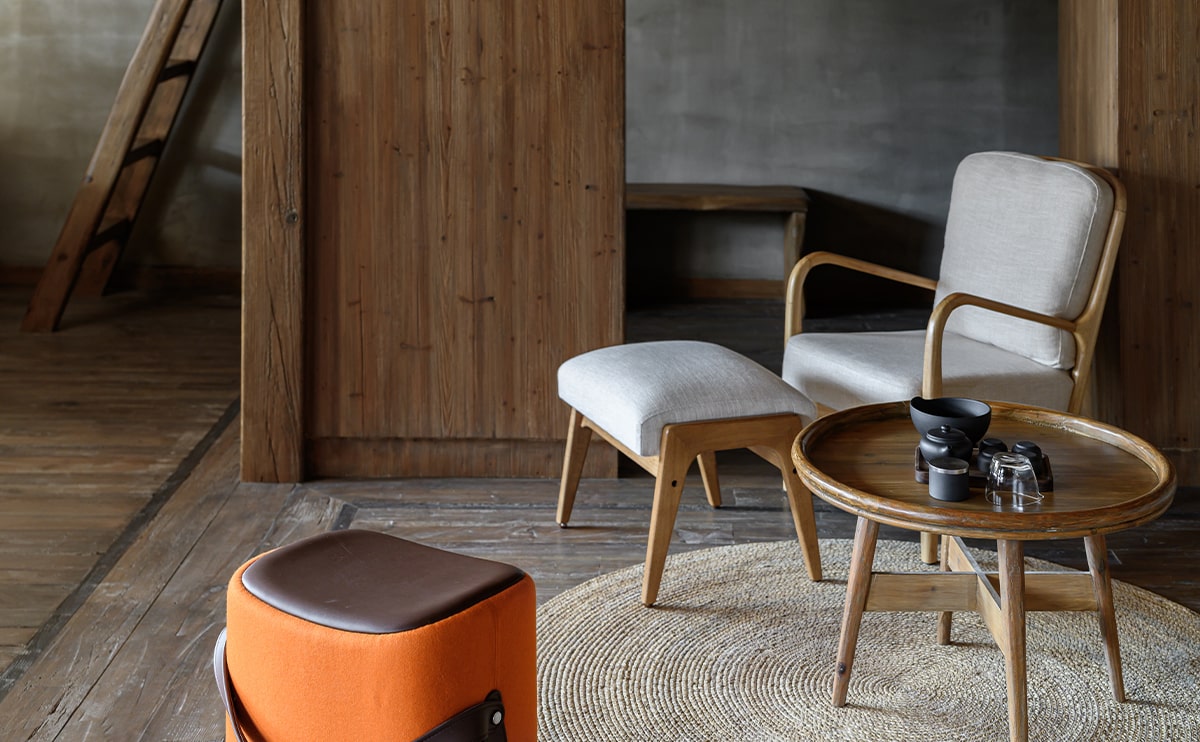
Hybrid approaches are also viable. Many companies blend modern flexibility with classic touches—such as pairing a sleek glass conference table with a polished wooden wall panel—to create a balanced environment that speaks to both tradition and progress.
When evaluating your brand, consider the emotional response you want to evoke in employees and visitors. A modern aesthetic often feels energizing and inclusive, while a classic setting can feel reassuring and exclusive. Aligning the visual language of your office with your brand promise ensures consistency across all touchpoints.
Impact on Employee Well‑Being and Productivity
Employee well‑being is closely linked to the physical environment. Modern office aesthetics promote natural light, open spaces, and ergonomic furniture, which can reduce stress and improve focus. Studies have shown that employees in bright, uncluttered spaces report higher satisfaction and lower absenteeism.
Classic offices, with their more structured layouts, can provide a sense of order that some workers find comforting. Private offices and quiet zones allow for deep work without the distractions that can occur in open‑plan modern spaces.
Hybrid models that incorporate both collaborative zones and private retreats often deliver the best of both worlds. For example, a modern open area with flexible desks can coexist with classic, sound‑proofed meeting rooms, catering to diverse work styles within the same organization.
Practical tips for optimizing well‑being include adding biophilic elements—such as indoor plants or natural wood finishes—regardless of the aesthetic you choose. Providing adjustable standing desks, quality lighting, and acoustic solutions further supports health and productivity across any design style.
Cost Considerations and ROI
Budget is a practical factor when deciding between modern and classic aesthetics. Modern office furniture often leverages mass‑production techniques, making it more cost‑effective for large‑scale deployments. Modular pieces can be reconfigured as the company grows, reducing the need for costly renovations.
Classic furnishings typically involve bespoke craftsmanship, higher‑grade materials, and custom finishes, which can increase initial expenditure. However, the durability of these pieces can result in a lower replacement rate over time, offering a long‑term return on investment.
When calculating ROI, consider not only the upfront costs but also the impact on brand perception and employee retention. A well‑designed modern space may attract top talent in tech sectors, while a classic environment may appeal to clients in finance or law, potentially leading to higher contract values.
To manage costs, many organizations start with a core modern framework—open workstations and flexible meeting pods—and gradually introduce classic accent pieces, such as a heritage conference table or a statement chandelier, as the budget allows.
Sustainability and Environmental Impact
Sustainability is increasingly important for brand reputation. Modern office aesthetics often embrace eco‑friendly materials like recycled metal, reclaimed wood, and low‑VOC finishes. Companies can source furniture from manufacturers that provide transparent supply chains and cradle‑to‑cradle certifications.
Classic design can also be sustainable when using responsibly sourced hardwoods, reclaimed marble, or vintage pieces that reduce the demand for new resources. Restoring antique furniture not only preserves craftsmanship but also minimizes waste.
Implementing green building standards—such as LEED certification—enhances the sustainability credentials of both modern and classic offices. Features like energy‑efficient lighting, smart thermostats, and indoor air quality monitors contribute to a healthier, greener workspace.
Practical steps include choosing modular furniture that can be disassembled for recycling, selecting fabrics made from recycled fibers, and incorporating plant walls or living roofs. Communicating these efforts in your brand story can resonate with environmentally conscious clients and employees.
Case Studies: Brands That Got It Right
Tech giant PixelWorks adopted a modern office aesthetic, featuring open floor plans, standing desks, and vibrant accent walls. The design reflected their innovative culture, resulting in a 15% increase in employee engagement scores and attracting top talent in a competitive market.
Financial firm Heritage Capital chose a classic interior with dark wood paneling, leather chairs, and a grand marble lobby. The timeless look reinforced client trust and helped secure high‑value contracts, illustrating how classic design can bolster a brand’s credibility.
Hybrid success story: CoLab Studios blended modern flexibility with classic touches, using modular workstations alongside a historic library‑style meeting room. This mix catered to both creative collaboration and focused client presentations, demonstrating the versatility of a hybrid approach.
These examples show that aligning office aesthetics with brand values—whether modern, classic, or a blend—creates a cohesive narrative that resonates with both employees and external stakeholders.
Practical Steps to Choose the Right Aesthetic
Start with a brand audit. Identify core values, target audience, and the emotions you want your space to evoke. Document these insights to guide design decisions.
Conduct a space analysis. Measure existing floor plans, assess natural light, and note any architectural constraints. This data helps determine whether an open‑plan modern layout or segmented classic zones are feasible.
Develop a mood board. Collect images of modern and classic elements—furniture, color palettes, lighting—to visualize how each style aligns with your brand narrative. Involve key stakeholders to gather diverse perspectives.
Set a budget and timeline. Prioritize high‑impact areas (reception, conference rooms) for initial investment, then phase in additional elements. Consider modular furniture for future scalability.
Partner with an interior designer who understands both modern and classic vocabularies. Their expertise can help you blend styles, source sustainable materials, and ensure the final design delivers on brand promises.
FAQ
- What are the main differences between modern and classic office design? Modern design focuses on minimalism, flexibility, and technology integration, while classic design emphasizes timeless materials, formal layouts, and detailed craftsmanship.
- Can I combine modern and classic elements? Yes, a hybrid approach can balance the energy of modern spaces with the gravitas of classic touches, creating a versatile environment that meets diverse needs.
- How does office design affect employee productivity? Open, well‑lit modern spaces boost collaboration and morale, whereas private classic areas support deep focus. Providing both options often yields the best results.
- Is modern office furniture more sustainable? Modern furniture frequently uses recycled or low‑impact materials, but classic pieces can also be sustainable when sourced responsibly or refurbished.
- What budget should I allocate for a brand‑aligned office redesign? Costs vary widely; modern modular solutions can be cost‑effective for large teams, while classic bespoke pieces may require a higher upfront investment but offer long‑term durability.
Choosing between modern office aesthetics and classic design is more than a visual decision—it’s a strategic branding choice. By evaluating your brand’s personality, employee needs, budget, and sustainability goals, you can craft a workspace that not only looks impressive but also drives performance and reinforces your market position. Whether you lean toward sleek minimalism, timeless elegance, or a thoughtful blend, the right aesthetic will make your office a true extension of your brand.