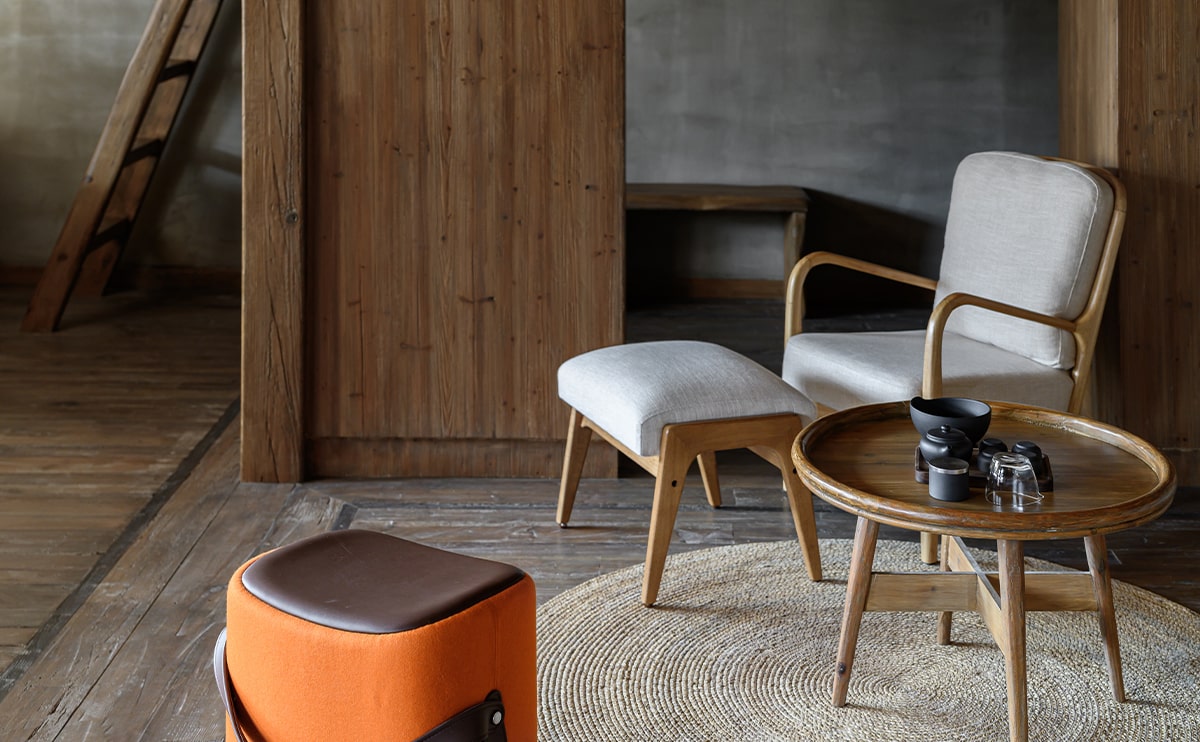


In a world of mass production and rapid consumption, craftsmanship stands apart. It is the quiet insistence that things can be made better — that the hands, minds, and expertise behind a piece of furniture matter as much as the materials from which it is built. In modern furniture design, expert craftsmanship is not a relic of the past. It is a living, evolving discipline that elevates the everyday into the exceptional — and creates pieces that endure long after trends have come and gone.
What Craftsmanship Truly Means
Craftsmanship is more than skill. It is a philosophy — a commitment to understanding the purpose of what is being made, respecting the materials being used, and applying knowledge accumulated over years of practice to create something that functions beautifully and lasts with integrity. An expert craftsman does not simply follow a template. They make hundreds of considered decisions in the creation of a single piece, each one informed by experience, guided by an eye trained to see what others miss, and motivated by a standard that refuses to settle.
In furniture design, this translates to joinery that holds through decades of use, surfaces finished to a standard that rewards close inspection, proportions that feel instinctively right in a room, and details — the curve of an armrest, the depth of a drawer, the weight of a door — that communicate quality before a word has been spoken.
The Marriage of Tradition and Innovation
One of the most compelling aspects of expert craftsmanship in modern furniture design is how it bridges the past and the present. Traditional woodworking techniques, perfected over centuries — mortise and tenon joints, dovetail construction, hand-cut veneers — remain as structurally sound and aesthetically meaningful today as they have ever been. Master craftsmen who carry these traditions forward are not resistant to modernity; they are selective about it.
Modern materials, precision manufacturing tools, and computer-aided design have expanded what is possible in furniture making enormously. CNC machining can achieve tolerances that would be impossibly time-consuming to replicate by hand. Engineered materials can offer structural properties that natural wood alone cannot always provide. But in the hands of an expert, these innovations become enhancements to craftsmanship rather than replacements for it — blending the warmth and character of traditional methods with the precision and efficiency of modern technology.
The result is furniture that feels simultaneously timeless and contemporary — pieces that belong in the world as it is today while carrying the depth and quality of furniture that was built to last generations.
Materials: The Foundation of Every Great Piece
Expert craftsmanship begins with expert material selection. A skilled furniture maker understands that the quality of the finished piece is inseparable from the quality of the materials used to create it. Selecting the right wood species for a particular application — one whose grain, density, and natural properties align with the demands of the design — is itself an act of expertise.
Beyond wood, the modern furniture craftsman works with an expanding palette of materials: premium metals, high-performance textiles, hand-finished leathers, sustainable composites, and precision-engineered glass. Each material has its own character, its own demands, and its own potential. Expert craftsmanship is the ability to understand each of these materials deeply and to combine them in ways that are structurally sound, visually harmonious, and true to the purpose of the piece.
Function and Aesthetics: Two Sides of the Same Coin
There is a common misconception that craftsmanship and functionality exist in tension with aesthetics — that beautiful furniture cannot also be practical, or that highly functional pieces must sacrifice beauty for utility. Expert furniture design rejects this false dichotomy entirely.
The greatest pieces of furniture in history are those that achieve both simultaneously — where form and function are so perfectly integrated that it becomes impossible to separate them. A beautifully crafted dining table is also one that seats comfortably, withstands years of daily use, and feels balanced under the hand. An expertly designed office chair is also one that supports the body correctly, moves intuitively, and looks considered and refined in any environment.
This integration of function and aesthetics is the hallmark of genuine expertise — and it is what distinguishes truly well-crafted furniture from pieces that are merely attractive or merely practical.
The Human Story Behind Every Piece
Every piece of expertly crafted furniture carries a human story. The knowledge and experience of the craftsman who designed and built it; the traditions of making that were handed down through generations and refined over time; the choices made at every stage of creation — these are all embedded in the finished object in ways that mass-produced furniture simply cannot replicate.
This human dimension is part of what gives well-crafted furniture its emotional resonance. We respond to it differently than we respond to disposable or purely functional objects. A beautifully made piece of furniture becomes part of a home’s story — a backdrop to life’s most important moments, a thing of lasting beauty that outlasts trends and fashions to become genuinely cherished.
Craftsmanship and Sustainability
In an era of increasing environmental consciousness, the values of expert craftsmanship and sustainability are deeply aligned. Furniture that is built to last — that is repairable, that ages gracefully, and that does not need to be replaced every few years — is inherently more sustainable than furniture that is disposable. Expert craftsmen who work with sustainably sourced materials, minimize waste in their processes, and create pieces designed for longevity are contributing meaningfully to a more responsible approach to material culture.
Choosing well-crafted furniture is an environmental act as much as an aesthetic one. Every piece that endures is one that does not need to be replaced — and one less piece of inferior furniture consigned to landfill.
Craftsmanship in Commercial and Healthcare Furniture
The power of expert craftsmanship extends beyond the residential setting into commercial and healthcare environments, where the demands on furniture are even more exacting. In healthcare settings, craftsmanship that combines clinical functionality with considered aesthetics contributes to healing environments that feel less institutional and more humane. In commercial spaces, well-crafted furniture communicates the values of the organization it represents — signaling quality, care, and permanence to everyone who enters.
At Promixco, our appreciation for expert craftsmanship informs the standards we apply to every furniture product we source and supply. Whether for clinical environments or broader commercial applications, we seek out manufacturers whose commitment to quality, durability, and considered design reflects the craftsmanship values that we believe every client deserves.
The Enduring Value of Getting It Right
In furniture, as in so many areas of life, the quality of what we surround ourselves with shapes our experience in ways both conscious and subtle. Expert craftsmanship in furniture design is the pursuit of getting it right — not just functionally, not just aesthetically, but in every dimension that makes a piece of furniture worthy of the space it occupies and the people it serves.
It is an act of respect: for the user, for the material, for the tradition of making, and for the future in which the piece will continue to exist long after its creation.
Craftsmanship is the art of caring deeply about what you make. In furniture design, that care becomes tangible — expressed in every joint, every surface, and every considered detail that endures.